
Osteopathy Therapy
What is Osteopathy Therapy?
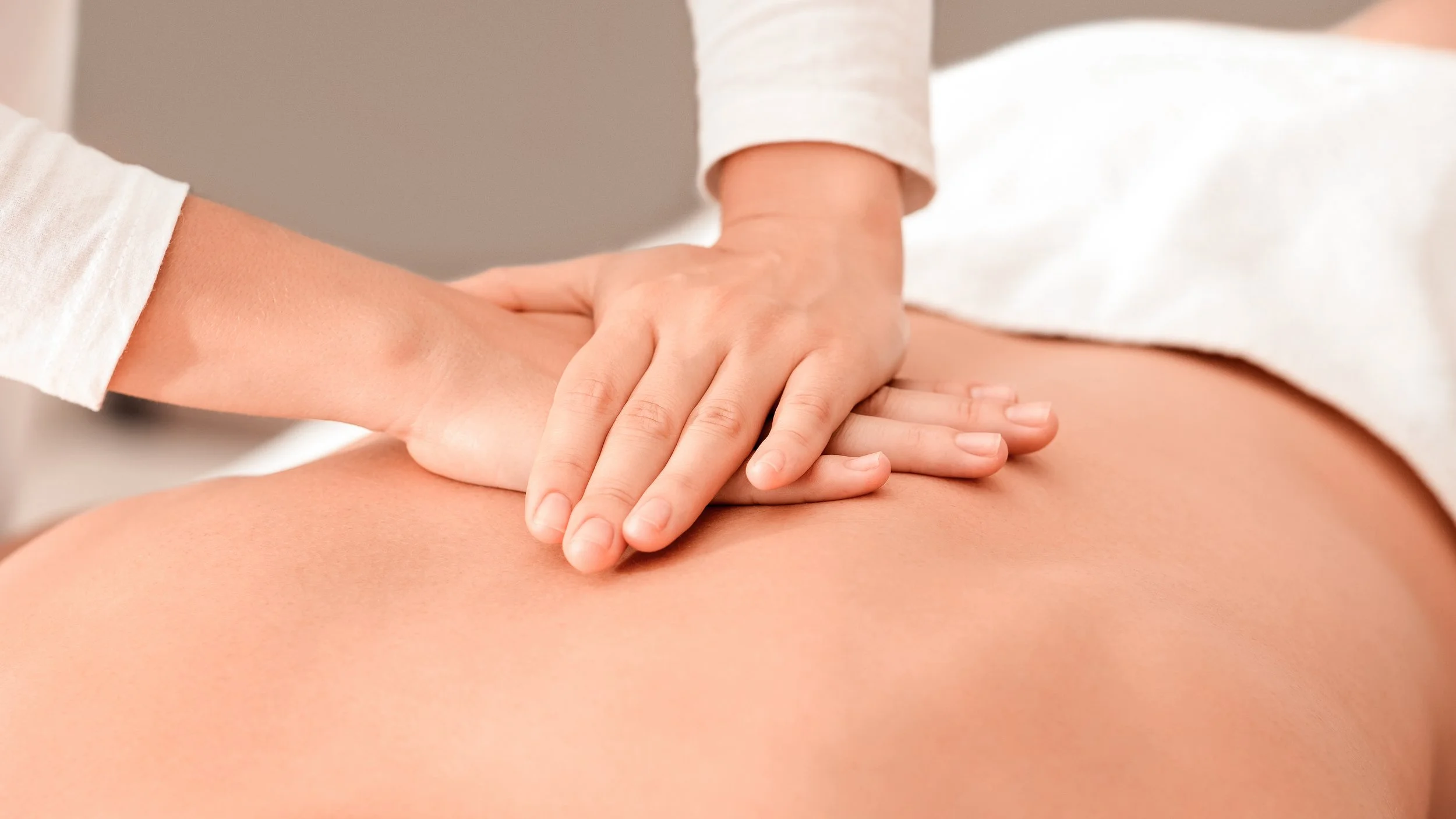
Osteopathy is a hands-on approach to healthcare that focuses on the relationship between the body's structure and how it functions. Osteopathic practitioners use gentle manual techniques to assess and treat areas of the body that may be contributing to pain, stiffness, restricted movement, or physical discomfort.
Rather than focusing only on the area where symptoms are felt, osteopathy takes a whole-body approach. Your practitioner may consider how your muscles, joints, connective tissues, posture, movement patterns, and lifestyle interact with one another.
During an osteopathic treatment, a practitioner may use a variety of hands-on techniques, including soft-tissue work, joint mobilization, stretching, and gentle manipulation. Treatment is tailored to each individual based on their symptoms, movement, and overall needs.
Osteopathy may be used to support people experiencing issues such as back and neck discomfort, muscle and joint stiffness, postural concerns, sports-related injuries, and other musculoskeletal complaints. The goal is to help improve mobility, reduce physical tension, and support the body's ability to move and function comfortably.
Osteopathy vs. Massage Therapy: What's the Difference?
Although both osteopathy and massage therapy use hands-on techniques, their approaches and goals can be different.
Osteopathy takes a broader, whole-body approach. An osteopathic practitioner assesses how different parts of the musculoskeletal system work together and may use several techniques to address movement restrictions, joint mobility, muscle tension, and other physical factors that may be contributing to discomfort. Treatment is generally assessment-based and tailored to the individual's specific needs.
Massage therapy primarily focuses on the body's soft tissues, including muscles and connective tissues. Massage therapists use techniques such as kneading, compression, and gliding strokes to help reduce muscle tension, promote relaxation, improve circulation, and support mobility and recovery.
In simple terms, massage therapy tends to focus more directly on the muscles and soft tissues, while osteopathy looks more broadly at how the body's different structures and movement patterns work together. Depending on your needs, either approach—or a combination of both—may be appropriate.
If you're unsure which treatment is right for you, a qualified practitioner can assess your concerns and help determine the most suitable approach.
Osteopathy Therapy can help to:

Reduce muscle and joint tension
Improve mobility and flexibility
Support better posture and body alignment
Relieve everyday aches, stiffness, and discomfort
Promote relaxation and reduce physical stress
Improve overall movement and body awareness
Support recovery following physical activity or injury
FAQs
-
Ankle pain
Back pain
Foot pain
Headaches
Joint pain
Leg pain
Neck pain
Plantar fasciitis
Posture issues
Sciatica
Scoliosis
Shoulder pain
Sports injuries
Wrist pain
-
Some insurance plans may cover osteopathy therapy, especially when it is recommended by a healthcare professional to treat a specific medical condition. Since coverage varies between plans, it’s best to confirm the details with your insurance provider.